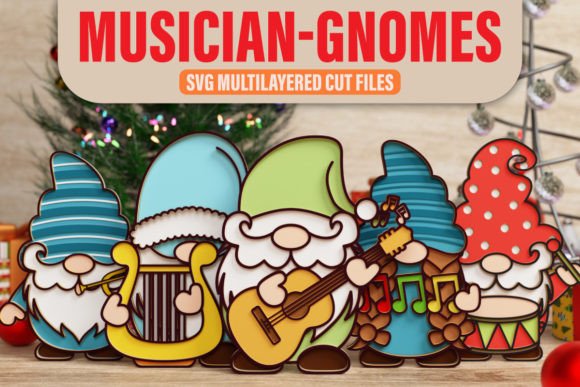
Musician Gnome 3D SVG BUNDLE Review for Real Projects
Real-World Performance Across Embroidery Projects
Custom Apparel: On a medium-weight cotton sweatshirt, the design stitched beautifully. The 3D elements added texture and dimension, which gave the piece a polished look. Customers would likely love the playful yet stylish vibe, especially if they're into music-themed fashion or holiday gifts.
Tote Bag Design: When applied to a tote made from canvas fabric, the stitch density was well-maintained, and the colors stayed vibrant. This makes it a great candidate for Etsy sellers or small shop product lines looking to add a unique touch to reusable bags or marketable accessories.
Baby Clothes & Nursery Decor: The design has a soft, rounded appearance that fits well within baby-related embroidery projects. However, due to the presence of fine details, it’s important to ensure you’re using high-quality thread and appropriate stabilizer to avoid distortion on delicate fabrics.
Embroidered Patches: As an embroidered patch, the Musician Gnome brings a lot of character. It works particularly well on denim jackets or backpacks where a bold statement is desired. The layered stitch effects give it a tactile appeal that stands out from standard flat patches.
Pillow Covers & Tea Towels: For decorative items like pillow covers and kitchen towels, the design enhances the aesthetic significantly. The 3D aspects create a pop of interest without being too busy, which is perfect for modern craft fairs or boutique-style home goods.
Where to Use with Caution
- Small Hoop Sizes: The design includes some detailed features that might get lost or distorted if forced into a very tight hoop. Always check the recommended hoop size before committing to a project.
- Textured or Stretchy Fabrics: On materials like stretch knit or flannel, the 3D elements can lose their crispness. Consider using a lightweight cutaway stabilizer or testing the design on a scrap piece first.
- Dark Fabric Backgrounds: While the design is visually rich, thread contrast on dark backgrounds can be tricky. Testing with different thread color combinations will help maintain visibility and impact.
- Curved Surfaces (e.g., Caps): The larger portions of the design may wrap awkwardly around curved surfaces. You’ll want to adjust placement carefully or consider scaling down specific parts for better results.
- Frequent Washing: If used on items like baby clothes or aprons that undergo regular laundering, make sure the design uses durable threads and proper backing techniques to prevent fraying or flattening over time.
Design Notes for Maximum Impact
- Test First: Always run a test on scrap fabric to evaluate how the design behaves with your machine and thread choices. Especially important for the 3D components, which can vary depending on tension settings.
- Thread Color Contrast: Choose thread colors that complement the background fabric. Darker hues work best for subtle effects, while brighter colors can make the design pop as a decorative accent.
- Review Stitch Density: Look closely at areas with fill stitch and running stitch to ensure they won’t pucker or cause bulk. Adjusting density slightly can improve the final look, especially on thin or stretchy fabrics.
- Confirm Hoop Size: If the design doesn’t specify a recommended hoop size, measure the largest part of the Musician Gnome and plan accordingly. Don’t try to compress it beyond reasonable limits.
- Inspect Small Details: The design includes tiny elements like facial features or musical notes. These need careful attention during digitization to ensure they don’t disappear or become misaligned after stitching.
- Use Proper Stabilizer: For best results, especially with the 3D layers, use a stabilizer that matches the fabric type. Tear-away works well for woven materials, but cutaway or wash-away may be needed for knits or delicate surfaces.
- Black and White Mockups: Before finalizing a project, create a black-and-white version of the design to assess contrast and clarity. This helps determine if the design will still read well without color.
- Compare Light and Dark Fabrics: Try the design on both light and dark backgrounds to see how it adapts. You might be surprised by how much the visual impact changes.
- Check Licensing: Since the product description mentions selling physical projects, verify the licensing terms before offering the finished product or digital assets for resale. Clarity here prevents legal issues later.