Apple 3D SVG Papercraft: A Versatile Shape for Creative Projects
As a graphic designer who frequently works with branding, packaging, and visual marketing for small businesses and creative entrepreneurs, I always look for design assets that can elevate the visual mood of a project without compromising on quality or usability. The Apple 3D Papercraft is one such asset — it brings charm, depth, and a touch of whimsy to any layout where it's applied. But more than just aesthetics, it also performs well in practical applications across digital and print media. Let’s take a closer look at how this design fits into real-world client work.
A Playful Yet Polished First Impression
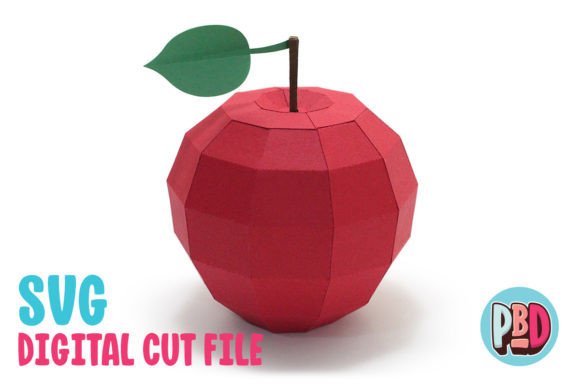
The first thing I noticed when opening the Apple 3D Papercraft file was its three-dimensional appeal. It doesn’t scream “crafty” in an amateurish way but instead feels like a carefully crafted illustration that adds a tactile sense of realism. The shape of the apple is clean, stylized yet recognizable, and the subtle shading gives it a pop of dimensionality that makes it stand out even in flat layouts. This kind of detail is rare in many free or low-cost design assets, making it particularly valuable for professionals seeking something unique.
What really caught my eye was how it could fit into a variety of styles — from rustic farmhouse themes to modern minimalist designs. Its versatility suggests that it would be suitable for clients in the handmade business space, seasonal campaigns, or even local event promotions where a handcrafted feel is desired. For those working with SVG shapes, this asset offers a great balance between simplicity and sophistication.
Real-World Application Across Design Platforms
I tested the Apple 3D Papercraft in several scenarios typical of professional projects. In brand identity work, it functioned as a strong supporting element in logo mockups and brand collaterals, especially for food-related startups or wellness brands. When layered behind a logo or text, it added a sense of warmth and approachability without overshadowing the core message.
In packaging design, the papercraft worked beautifully as a decorative accent. It brought life to product labels and gift tags for boutique jam or cider companies. The dimensions (3.5 W x 3.5 D x 4.5 H) are ideal for physical mockups, allowing designers to visualize how it might sit on a box or bottle prototype made with medium cardstock.
For social media graphics, I found it to be a standout choice for Pinterest pins and Instagram posts, especially when paired with lifestyle imagery or used in editorial-style content. The 3D effect helped create a focal point, drawing attention and encouraging engagement. It also translated well into Canva templates, where users often need quick-to-edit, high-impact visuals.
When used in Cricut projects, the Apple 3D Papercraft proved itself as a solid base for invitations, classroom decor, and themed party supplies. Its clean lines and structured form make it easy to cut, while the instructions provided a full material list that gave me confidence in its buildability. That said, I recommend testing it at scale before finalizing a large batch — especially if you're planning to use it in a commercial setting.
Where This 3D Shape Shines
- Large Layout Areas: The Apple 3D Papercraft thrives when given room to breathe. It looks best in hero sections of posters, flyers, or website banners where it can act as a central visual anchor.
- Product Mockups: Whether you're creating mockups for a print-on-demand shop or showcasing a new line of stickers, this design helps visualize how your products will look in a tangible format.
- Themed Collections: It's perfect for autumnal or health-focused campaigns, adding a cohesive visual motif that ties together different elements like t-shirt design, mug illustrations, or tote bag prints.
- Printable Wall Art: The size and structure of the papercraft lend themselves well to printable designs that can be folded and displayed in classrooms, cafes, or home spaces.
- Editorial and Campaign Visuals: As part of a seasonal blog post or magazine spread, the Apple design can subtly reinforce the theme while maintaining a polished look.
Use with Caution in These Scenarios
While the Apple 3D Papercraft is undeniably charming, there are situations where it might not perform optimally. For example:
- Small Sizes: At smaller resolutions, the intricate details may get lost, reducing the visual impact. Always preview it at 1x, 0.5x, and 0.25x sizes to ensure legibility.
- Crowded Layouts: If you're already using multiple icons or illustrations, adding another 3D shape could lead to visual clutter. Use it sparingly in complex compositions.
- Low-Contrast Designs: The apple has a soft gradient and limited color variation, so it won't pop against similarly muted backgrounds. Make sure it sits comfortably within the overall color scheme.
- Professional Corporate Materials: While it works well for artisanal or lifestyle brands, it might not align with the sleek, no-nonsense aesthetic of corporate branding or formal reports.
Impact on Readability and Brand Consistency
One of the key considerations when integrating a design asset into a client project is whether it enhances or hinders readability. In most cases, the Apple 3D Papercraft supports rather than distracts — especially when placed in the background or as a decorative border. However, when combined with script or handwritten fonts, it can create a more playful tone, which may or may not suit the brand voice depending on the context.
For consistency, I recommend using the same apple style across all branded materials. Whether it's a sticker design, t-shirt mockup, or product label, applying the same treatment reinforces visual recognition and builds a stronger emotional connection with the audience.
Commercial Use and Licensing Considerations
Before using the Apple 3D Papercraft in a client project, it’s essential to verify its commercial licensing. Many SVG and PNG assets available online come with restrictions that limit their use to personal or non-commercial purposes. If you're selling finished products like mugs, wall art, or digital downloads on platforms like Etsy or a creative marketplace, double-check the terms to avoid legal issues down the line.
Additionally, review the file formats included. The presence of both SVG and PNG files means you can edit it in vector-based software like Adobe Illustrator or Cricut Design Space, or place it directly into raster-based tools like Photoshop or Canva. If transparency is needed, confirm that the PNG includes alpha channels for seamless layering over photos or textured backgrounds.
Testing for Print and Digital Performance
To ensure the Apple 3D Papercraft meets the needs of a professional project, I conducted a few tests:
- Black and White Conversion: The apple maintained its shape and character even without color, making it usable in monochrome presentations or grayscale print runs.
- Contrast Check: On light backgrounds, it appeared crisp and inviting; on dark ones, it still held up thanks to its clear outlines and subtle shading.
- Mockup Integration: Placing it onto product mockups like mugs and tote bags showed it holds up well under lighting effects and realistic textures.
- Font Pairing: I tested it with serif, sans serif, script, display, and handwritten fonts. It worked best with rounded, friendly typefaces that matched its organic shape, though it can adapt to more structured styles with thoughtful spacing and alignment.
Why This Asset Belongs in Your Design Toolkit
Despite being a simple shape, the Apple 3D Papercraft carries a surprising amount of emotional weight. It evokes feelings of nature, health, and nostalgia — making it an excellent addition to branding for farms, juice bars, schools, or eco-conscious startups. For marketers and bloggers, it provides a fresh alternative to stock images and clipart, offering a more original and engaging visual experience.
From a technical standpoint, the asset is well-structured. The layers and paths in the SVG file allow for customization without breaking the integrity of the design. This level of flexibility is crucial when adapting the asset to different color schemes, sizes, or print requirements.
Final Thoughts for Designers and Entrepreneurs
After evaluating the Apple 3D Papercraft in various contexts, I’m confident it can serve as a useful component in many design workflows. It’s not a one-size-fits-all solution, but when used thoughtfully, it adds depth and personality to otherwise flat layouts. Its performance in both digital and print environments, along with its compatibility with popular design tools, makes it a reliable choice for creatives looking to enhance their visual storytelling.
If you're a designer working on a seasonal campaign, a marketer building out social media assets, or a small business owner preparing for an online product launch, this apple-shaped asset could be the subtle but impactful touch your project needs. Just remember to test it thoroughly and confirm its licensing status before moving forward with commercial use.
Ultimately, the Apple 3D Papercraft is a testament to how a single, well-crafted shape can contribute meaningfully to the overall impression of a design project — reinforcing brand values, improving engagement, and delivering a sense of authenticity that resonates with audiences.