Airplane Model - 3d Papercraft Review for Real Projects
As a designer who regularly evaluates embroidery files for real-world application, I always look for the balance between visual impact and practicality. The Airplane Model - 3d Papercraft caught my eye not just because of its unique shape but also for how it might translate into custom projects like tote bags or holiday gifts. Let’s dive into what makes this design stand out—and when to use it wisely.
First Impressions: A Design That Commands Attention
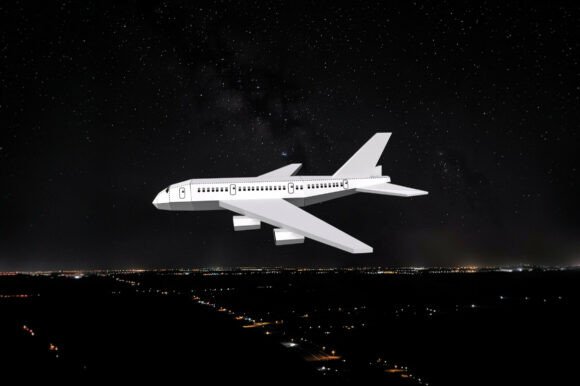
The Airplane Model - 3d Papercraft brings a sense of motion and depth that's rare in flat embroidery designs. It feels more like a sculptural element than a standard motif, which immediately suggests it could work well as an embroidered patch or on items where dimensionality adds charm. The papercraft aesthetic gives it a clean, modern edge while retaining a subtle handmade feel—perfect for crafters aiming to blend art with function.
Visually, the airplane is detailed without being overwhelming. Its wingspan stretches across the canvas, creating a bold statement. The layered structure of the 3D SVG implies potential for both intricate stitching and clear, bold outlines depending on how you choose to render it. This kind of layout works especially well for custom apparel, where a standout graphic can elevate the entire product.
Real-World Application: From Sweatshirts to Holiday Gifts
Let’s imagine using this design on a sweatshirt embroidery project for a boutique line. The airplane’s dynamic lines would sit beautifully on the chest area, giving the garment a playful yet professional look. For handmade products, such as a personalized baby blanket or a custom apron, the papercraft style complements soft textures and gentle colors.
On tote bag design projects, the Airplane Model has the potential to become a signature piece. Its 3D nature allows for creative layering with other motifs like clouds or airports, making it ideal for holiday embroidery or travel-themed personalized gifts. As an embroidered patch, it adds a tactile element that customers love—especially if you're selling to hobbyists or collectors of 3D Houses and similar papercraft styles.
What I appreciate most is how this design maintains clarity even when scaled down slightly. However, it does require careful placement and consideration of stitch density to ensure the final product doesn’t lose its definition. For Etsy sellers and small shop product creators, that means planning ahead for different fabric types and hoop sizes.
Where Caution Is Key: Small Spaces and Stretchy Fabrics
While the Airplane Model - 3d Papercraft is versatile, there are situations where it may need extra attention. On small hoop sizes, the design’s larger footprint can be a challenge unless you’re working with a piece that allows for some cropping or framing. Textured fabrics, like denim or felt, might obscure the fine details of the airplane’s body or wings, so testing is crucial here.
If you plan to embroider this onto stretchy materials such as athletic wear or knits, consider adjusting the stitch type. A running stitch or satin stitch might help maintain the shape better than a dense fill stitch. Thin or dark fabrics will also demand more thought—using contrasting thread colors or adding stabilizer underneath could make all the difference in the final outcome.
For commercial embroidery projects, especially those involving frequent washing like tea towels or aprons, assess whether the design can withstand repeated use without fraying or losing its crisp edges. The papercraft theme thrives on precision, so any distortion during laundering could affect the perceived quality of your finished product.
Design Notes for Embroidery Success
- Test on scrap fabric first: Especially important for textured or stretchy materials.
- Check thread color contrast: Dark backgrounds may need lighter threads to pop.
- Review stitch density: Dense areas near the fuselage or wings could cause puckering if not properly stabilized.
- Confirm hoop size: You’ll want enough space to capture the full detail without overcrowding.
- Inspect small details: The papercraft style includes subtle elements that could disappear if stitches are too loose or fabric is too thick.
- Use proper stabilizer: A tear-away or cut-away stabilizer will help keep everything in place.
- Test in black and white mockups: See how the design holds up without color influence.
- Compare light and dark fabric backgrounds: Adjust your thread choices accordingly.
- Check licensing before selling: Ensure the digital embroidery file allows commercial use if you're producing for resale.
Customer Appeal and Brand Value
From a buyer’s perspective, the Airplane Model has a strong visual personality. It’s instantly recognizable and evokes themes of adventure and nostalgia. When applied to a handmade product, it communicates quality and intentionality—two things that craft business owners and creative entrepreneurs know matter deeply to their audience.
Its 3D appearance helps increase the perceived value of the item it adorns. An embroidered airplane can transform a simple sweatshirt into a statement piece or turn a basic tote bag into a must-have accessory. This kind of design also supports brand consistency, especially if your shop focuses on travel, aviation, or whimsical papercraft aesthetics.
In terms of giftability, this design excels. It’s suitable for birthdays, graduation gifts, or even corporate swag when paired with the right message. Customers respond well to visuals that are both artistic and approachable, and the Airplane Model fits that description perfectly.
Visual Clarity and Stitching Performance
I ran a quick test by printing a printable mockup of the design on a sample tote bag. The result was impressive: the airplane looked clean, bold, and had the right amount of detail to avoid looking cluttered. However, the corners and smaller parts of the model needed a bit more care in stitching to prevent distortion.
When considering machine embroidery design performance, the key is to let the design breathe. If you’re working with a large format, like a pillow cover or wall hanging, the papercraft aspect really shines. But for tighter spaces, like a cap or a baby item, simplification may be necessary to preserve clarity and comfort.
Final Thoughts for Designers and Sellers
The Airplane Model - 3d Papercraft is a standout option for anyone looking to add a touch of creativity and craftsmanship to their projects. Whether you're designing for personal use or building a line of small shop product items, this design offers flexibility and charm.
But don’t overlook the importance of preparation. Before committing to a production run or listing it in your Etsy store, take the time to evaluate how it interacts with different materials and applications. The right setup ensures your design assets perform at their best and reflect the professionalism your customers expect.
Overall, the Airplane Model stands out for its visual appeal and adaptability. With a few smart adjustments, it can enhance product value, boost buyer engagement, and serve as a memorable feature in your embroidery project portfolio. Just remember—great design meets great execution when you know how to handle it properly.