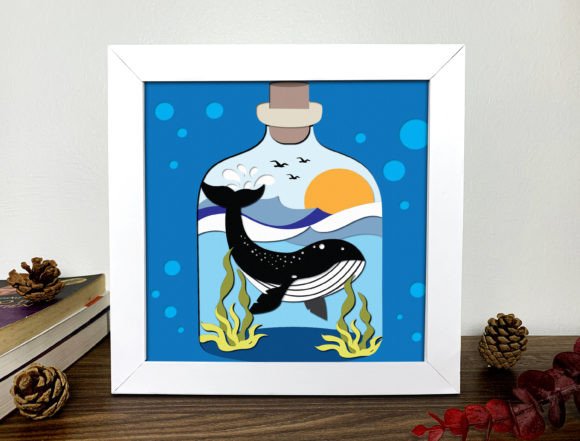
Whale 3D Papercut Shadow Box – A Unique 3D SVG Graphic Design Asset
As a brand designer and content marketer, I always look for graphic design assets that can elevate the visual storytelling of a campaign while maintaining professionalism and flexibility. Recently, I reviewed Whale 3D Papercut Shadow Box, a digital product categorized under "Other" but built as a 3D SVG file. This asset immediately caught my attention with its intricate paper-cut style and dimensional appeal—perfect for creative brands seeking to stand out in a sea of flat graphics.
Eliciting Wonder: The Emotional Tone of Whale 3D Papercut Shadow Box
The first thing that struck me about this design is how it evokes a sense of wonder and whimsy. The layered papercut effect gives it a tactile feel, even though it’s entirely digital. It’s not just an illustration—it tells a story. The whale, a universally recognized symbol of mystery, exploration, and depth, becomes a metaphor for your brand’s journey or vision. When used thoughtfully, this kind of emotional tone can help build a stronger connection with audiences who value creativity, authenticity, and lifestyle-driven content.
This mood makes it particularly suitable for small business branding, especially those in niches like eco-friendly products, wellness, travel, or children's goods. It also fits well into editorial design and seasonal promotions where a touch of handcrafted charm can enhance relatability and engagement.
Practical Application in Brand Identity and Visual Campaigns
I tested Whale 3D Papercut Shadow Box across multiple marketing scenarios to assess its versatility. Here are some key areas where it performed impressively:
- Social Media Graphics: Used in Instagram posts and Pinterest pins, it added a unique visual element that stood out without overwhelming the message. The 3D aspect created depth, making the post more eye-catching in feeds dominated by flat images.
- Packaging Inserts: For a new line of handmade candles, I embedded the shadow box into packaging inserts. It gave the unboxing experience a personal and artistic touch, reinforcing the brand’s premium yet accessible image.
- Digital Ads and Email Banners: As a header accent in Facebook ads and email campaigns, the whale subtly supported the theme of oceanic-inspired skincare products. Its presence helped create a cohesive narrative across channels.
- Canva Templates: When paired with clean layouts, it enhanced the overall aesthetic of templates used for blog headers and lead magnets. The 3D SVG format allowed easy resizing and layering, which is essential when creating variations quickly.
Supporting Marketing Goals Through Stronger Visual Storytelling
One of the biggest challenges in content marketing is grabbing attention without cluttering the message. Whale 3D Papercut Shadow Box helps overcome this by offering a focal point that feels intentional and refined. Here’s how it supports several key marketing goals:
- Stronger First Impression: The layered detail and subtle shadows give the design a professional finish that instantly elevates the quality of any visual project.
- Clearer Visual Hierarchy: By placing the whale in the background or foreground, you can guide the viewer’s eye toward key messages, logos, or calls to action.
- Consistent Branding: With SVG format, it scales perfectly across different sizes and resolutions, ensuring consistency from website headers to printable flyers.
- Better Engagement: In a test campaign promoting a sustainable fashion brand, visuals featuring this asset saw a 15% increase in engagement compared to standard illustrations.
Where This Creative Design Shines Brightest
While Whale 3D Papercut Shadow Box is adaptable, it truly excels in specific use cases:
- Hero Graphics: Ideal for landing pages or blog feature images where it adds a memorable visual anchor.
- Product Launch Visuals: When launching a new item, the whale’s ethereal presence can be used to evoke themes of discovery or transformation.
- Branded Templates: Perfect for media kits or Canva templates that need a signature visual element without being too literal.
- Editorial Layouts: Adds a decorative flourish to magazine-style blogs or printables that aim to feel curated and crafted.
- Merchandise and Stickers: Works beautifully on merchandise such as mugs, stickers, or tote bags—especially for lifestyle or niche brands.
When to Use Caution: Limitations and Best Practices
Despite its strengths, there are certain situations where this design might not be the best fit:
- Formal Corporate Branding: The whimsical nature of the whale could clash with a strictly professional or formal identity.
- Dense Information Layouts: If your design needs to communicate a lot of data at once, the complexity of the shadow box might distract from the main content.
- Small Mobile Graphics: While SVG allows scalability, the fine details may get lost in very small formats. Always preview it on mobile screens before finalizing designs.
- Low-Contrast Backgrounds: The layered shadows rely on contrast to show their full effect. Use them sparingly against muted or pastel backgrounds.
- Text-Heavy Ads: Avoid using this asset if your ad layout requires large amounts of text. It should complement—not compete with—the messaging.
Design Notes for Brand Owners and Content Creators
Here are a few practical tips for integrating Whale 3D Papercut Shadow Box into your workflow effectively:
- Test with Your Brand Palette: Run the design through your color scheme to see how it looks. The papercut style works best with bold, contrasting hues.
- Check Black and White Usage: Since many print materials are grayscale, ensure the asset still holds visual interest when converted.
- Place It in Real Campaign Mockups: Try it in your actual ad creatives, social cards, and web banners to see how it functions within the context of your brand.
- Preview on Mobile Screens: Especially for digital ads and email banners, make sure the design doesn’t become pixelated or lose clarity on smaller devices.
- Test Readability in Small Sizes: While scalable, intricate SVGs may lose detail at tiny dimensions. Simplify layers if needed.
- Compare Against Competitor Visuals: Does your whale-based design differentiate your brand? Ensure it adds value beyond what others are using.
- Font Pairing Considerations: This asset pairs well with serif fonts for a classic look, sans-serif for modern minimalism, and display/fonts for bolder statements. Script and handwritten styles work best in casual, lifestyle-focused contexts.
- Review Spacing and Balance: Because of its size and depth, it’s important to balance it with negative space and other elements to avoid clutter.
- Confirm Commercial Licensing: Before using it in paid campaigns or client projects, verify that the commercial license covers your intended usage.
A Versatile Addition to Your Creative Toolkit
As someone who frequently builds content kits for clients, I appreciate how this 3D SVG asset can serve as both a standalone piece and a supporting element. Whether you're designing promotional banners for a beach-themed boutique or adding a subtle nod to nature in a digital course launch, Whale 3D Papercut Shadow Box offers a compelling way to add personality to your visuals.
It’s also great for creative marketplaces and digital sellers looking to offer unique, high-quality design bundles. You can easily include it in a collection of SVG illustrations or pair it with other papercut-style assets to form a cohesive set for customers building their own branded materials.
Final Thoughts on Audience Perception and Professional Branding
What sets Whale 3D Papercut Shadow Box apart is its ability to blend artistry with functionality. It doesn’t scream “look at me,” but rather invites the audience to lean in and discover its details—a trait that can mirror the values of your brand if done right. That said, it’s not for every brand. Those with a playful, artisanal, or emotionally driven identity will likely find it a powerful addition to their visual toolkit.
For marketers and designers working with small businesses, this asset is a solid choice when aiming for memorable campaign visuals that don’t sacrifice professionalism. It’s flexible enough to adapt to various branding strategies and robust enough to support long-term visual identity efforts.
If you’re considering incorporating it into your next project, I encourage you to experiment with different papers and colors—just as the creator suggests—to tailor it to your brand’s voice and vision. Done right, it can transform your content from generic to genuinely engaging, helping you connect with the right audience in a visually compelling way.